


Cleaning and Caring for your jewellery
Essential Jewellery Care Guide
Caring for your jewelry is crucial to maintaining its beauty and longevity. Proper maintenance will not only preserve its appearance but also keep it safe from damage. Here are some key guidelines to follow:
1. Storage: To ensure the longevity and pristine condition of your jewellery, it is essential to store each piece separately. This prevents scratches and tangles that can occur when pieces come into contact with one another. Although diamonds are the hardest natural material known, they can still scratch each other. For optimal protection, avoid storing diamond and gemstone jewellery together, as well as with other types of jewellery. Consider using soft pouches or lined compartments in your jewellery box to provide an extra layer of protection for each individual piece.
2. Usage Precautions: To safeguard your diamond and gemstone jewelry from potential damage, it is advisable to refrain from wearing these pieces during activities that involve heavy lifting or strenuous physical labor. Engaging in such activities could lead to chips, cracks, or other irreversible damage caused by impacts or friction. It’s wise to remove your jewelry before participating in home improvement projects, exercising, or any activity where your jewelry could come into contact with hard surfaces.
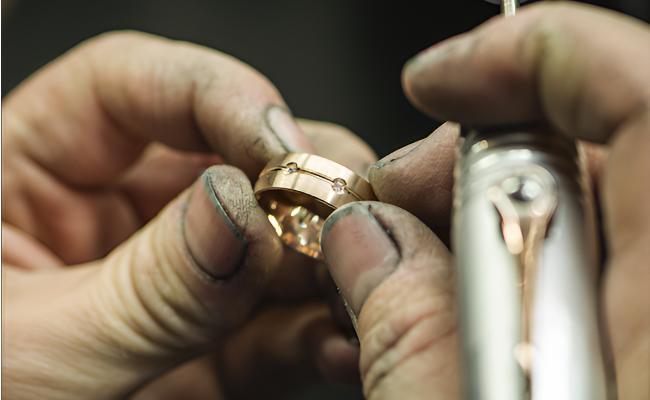
3. Professional Maintenance: To keep your jewelry in impeccable condition, it is highly recommended to schedule a visit with your jeweler at least once a year. During this annual appointment, the jeweler will not only perform a thorough professional cleaning but also conduct a comprehensive inspection of your jewelry settings. This process is crucial in identifying any loose stones or potential areas of concern, helping to prevent the loss of precious stones and ensuring the overall integrity of your pieces.
4. At-Home Cleaning: In between your professional cleanings, you can maintain the sparkle of your jewelry at home with careful cleaning practices. However, it’s important to exercise caution with your cleaning methods to prevent any unintended damage. **Warning**: Avoid using toothpaste or other abrasive substances for cleaning, as these can scratch and dull the surface of your jewelry. Instead, opt for a gentle cleaning solution made specifically for jewelry, paired with a soft cloth or a very soft-bristled brush, to safely remove dirt and grime without compromising the quality of your pieces.
Three Effective At-Home Cleaning Methods:
Method 1: Sudsy Water Cleanup
Prepare a small bowl of warm, soapy water using a mild liquid detergent. Place your jewelry in this solution and gently brush it with a soft toothbrush. Rinse each piece under warm running water and pat dry with a lint-free cloth.
Method 2: Ammonia Soak
In a small bowl, mix equal parts of cold water and household ammonia. Soak your jewellery in this solution for 30 minutes. After soaking, gently tap around the front and back of the mount with a soft brush. Swish the jewelry in the solution again, rinse it thoroughly, and then drain it on tissue paper.
Method 3: Liquid Jewellery Cleaner
Use a reputable brand-name liquid jewelry cleaner. Be sure to follow the instructions provided on the label carefully for the best results.
Extra Methods and Care Tips
1. Ultrasonic Cleaners
If you have jewelry that is heavily tarnished or soiled, consider using an ultrasonic cleaner. These devices use sound waves and a cleaning solution to gently remove dirt and grime from jewelry. Just ensure that your pieces are suitable for ultrasonic cleaning, as some gems and settings can be sensitive.
2. Vinegar and Baking Soda
For a natural cleaning solution, create a paste using baking soda and vinegar. Apply the paste to your jewelry with a soft cloth or toothbrush, and then rinse thoroughly with warm water. This method is particularly effective for silver jewelry to remove tarnish.
3. Avoid Chlorine
When cleaning or swimming, always remove your jewelry before coming into contact with chlorine, as it can weaken metal and damage certain gemstones.
4. Drying and Polishing
After cleaning, make sure to thoroughly dry your jewelry with a lint-free cloth. You can also use a polishing cloth designed for jewelry to add shine and remove any remaining smudges.
5. Saltwater and Sea Air
If you wear jewelry to the beach, be mindful of saltwater and sea air, which can cause corrosion and tarnishing. Rinse your jewelry with fresh water after you've been in the ocean and dry it thoroughly.
6. Avoid Cleaning Chemicals
Stay clear of harsh chemicals, bleach, or abrasive cleaners when cleaning your jewelry. These can cause irreversible damage to metals and stones.
7. Regular Inspections
Besides professional cleaning, regularly inspect your jewelry for loose stones or signs of wear and tear. Catching problems early can prevent more significant issues down the line.
By incorporating these tips into your maintenance routine, you'll further ensure your jewelry stays in excellent condition and retains its beauty for years to come!