


Natural Diamonds vs. Lab-Grown Diamonds: The Key Differences You Need to Know
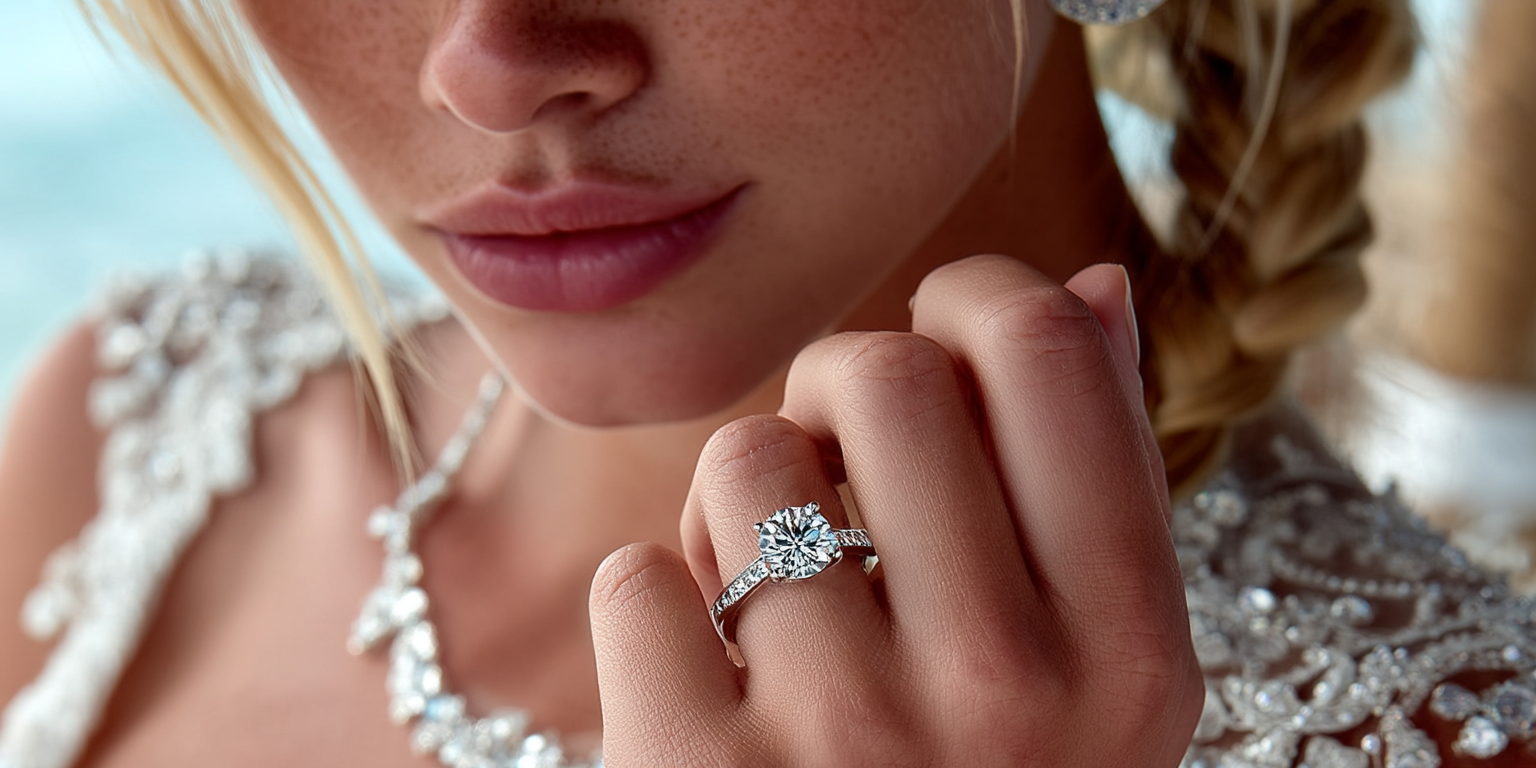
When it comes to choosing a diamond, the modern decision often boils down to two options: natural or lab-grown. Both types of diamonds appeal to different sensibilities, purchase motivations, and values. This blog post will explore the differences between the two, diving into their histories, production methods, costs, and what you should consider as a buyer.
A Brief History of Lab-Grown Diamonds
Lab-grown diamonds, also known as synthetic or cultured diamonds, are not a recent innovation. The first synthetic diamonds were created in the 1950s through high-pressure, high-temperature (HPHT) methods. These early diamonds were predominantly used in industrial applications, like cutting tools, due to their durability. It wasn’t until the late 20th and early 21st centuries that technological advancements led to the production of high-quality gemstones that could rival their natural counterparts.
Today, lab-grown diamonds are made primarily through two methods: HPHT and Chemical Vapour Deposition (CVD). Each technique mimics the natural processes that form diamonds deep within the Earth. What was once a niche market is now booming, with lab-grown diamonds quickly gaining popularity, particularly among younger generations who appreciate their ethical implications and value.
Understanding Natural Diamonds
Natural diamonds are formed over billions of years under high pressure and temperature deep within the Earth’s mantle. They are mined from various locations worldwide, including Russia, Canada, Botswana, and Australia. The mining process is labour-intensive and can have significant environmental impacts, leading to concerns about ethical sourcing.
Natural diamonds feature a range of characteristics, including the "Four Cs"—carat, cut, clarity, and colour. The price of natural diamonds can vary enormously based on these factors, with some high-quality gem-quality diamonds fetching hundreds of thousands of dollars.
The Formation of Lab-Grown Diamonds
Lab-grown diamonds are made in a controlled environment that replicates the conditions under which natural diamonds form. In the HPHT process, carbon is subjected to extreme pressure and temperature similar to conditions found deep inside the Earth. In the CVD method, methane gas is used to deposit carbon atoms onto a substrate, which then crystallise into diamonds. The result is a diamond that is chemically and physically identical to a mined diamond.
"The result is a diamond that is chemically and physically identical to a mined diamond."
Both types of diamonds have the same atomic structure, meaning that to the untrained eye—and even to many gemologists—they are indistinguishable. In fact, labs often use isotopes, such as boron or nitrogen, to identify lab-grown diamonds. These isotopes can help differentiate between natural and synthetic diamonds, but the basic composition remains the same.
Cost and Size Comparison
When looking at cost, lab-grown diamonds can be significantly more affordable than natural diamonds—often 20% to 40% less expensive, depending on the size and quality. For instance, a lab-grown diamond weighing 1 carat might cost between $2,000 and $6,000, while a similar natural diamond could cost between $4,000 and $10,000 or more.
This price difference allows buyers to consider larger or higher-quality diamonds within their budgets when opting for lab-grown. Additionally, the price is expected to continue to decrease as technology advances and production scales up.
Pro’s and Con’s: Making Your Decision
When it comes to making a decision, both natural and lab-grown diamonds come with their own sets of pros and cons:
Natural Diamonds:
Pros:
- Tradition and rarity add sentimental value.
- Strong resale market due to collector demand.
Cons:
- Higher cost.
- Ethical concerns regarding mining practices and environmental impact.
Lab-Grown Diamonds:
Pros:
- More affordable for similar quality and size.
- Ethically produced with less environmental impact.
Cons:
- Perceived lack of emotional connection or value by some consumers.
- Currently lower resale potential compared to natural diamonds.
As a buyer, it ultimately boils down to personal preference. If you value tradition and rarity, a natural diamond may be the best choice. On the other hand, if ethics and cost-effectiveness are your priority, you might find that a lab-grown diamond aligns better with your values.
Conclusion
Understanding the differences between natural and lab-grown diamonds can empower you to make an informed choice tailored to your preferences, values, and budget. Whether you opt for a sparkling natural diamond with its storied history or a contemporary lab-grown diamond reflecting modern ethics, both types are stunning symbols of love and commitment. Choose wisely and let your decision shine as brightly as the diamond itself.